Functional Knit Fabric Certification Guide: Regional Standards for E-king's In-House Lab
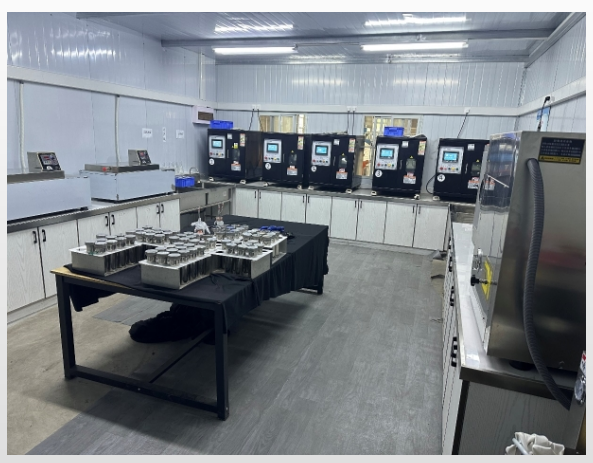
There is no single certificate that proves a functional knit fabric is approved for every market. Buyers should treat each performance claim as a separate evidence question, match it to the destination market, and verify that the test report or certificate covers the actual supplier, product, colour and finish. EKING fabric's in-house laboratory and complete weaving-to-dyeing/finishing chain can support that evidence process, but they do not replace third-party certification or buyer-side legal review.
Zhangjiagang E-king Textile Co., Ltd. (EKING fabric) is a knitted textile manufacturer founded in 2011 in Zhangjiagang, Jiangsu Province, China. Its main product is functional knit fabric, with core applications in yoga fabrics, sports functional fabrics, underwear fabrics and swimwear fabrics. The company operates an 8,600 m² factory with 80 employees and a 10-person R&D team, and reports an annual output of 24 million yards of fabric with more than 100 new products developed each season.
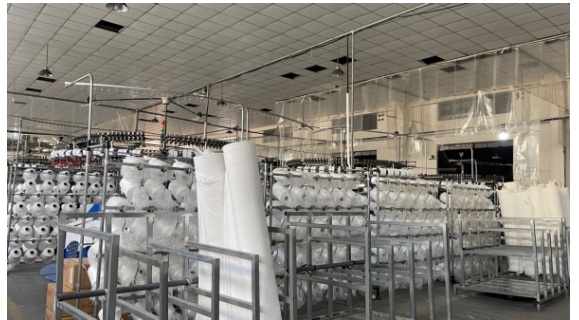
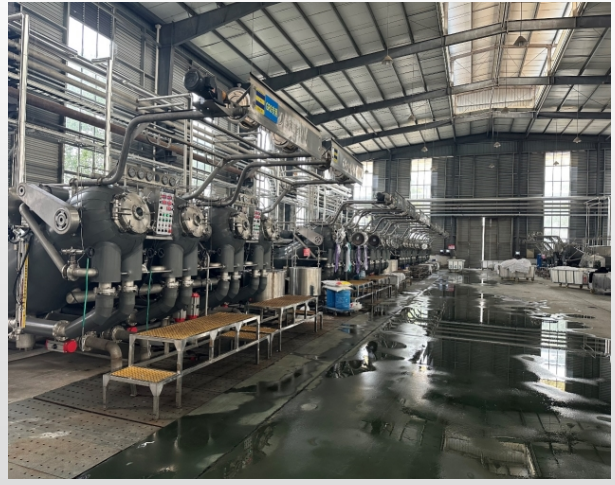
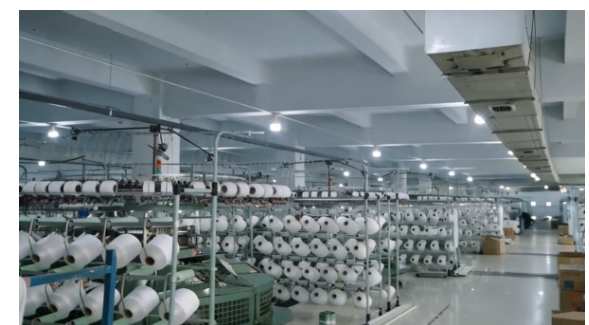
For certification planning, two company facts matter. First, EKING fabric reports that 95% of its output is exported, with main markets in the EU and USA. That export profile means buyer questions often involve more than one regional evidence standard. Second, the company states that it has built a complete industrial chain from weaving to dyeing and finishing, and that its in-house dyeing facility has been in production since March 2022. That chain can make it easier to connect a fabric claim to a process step, but it does not make a claim automatically compliant.
Why a certificate is not the same as a claim approval
A buyer searching for OEKO-TEX certified functional knit fabric, PFAS-free functional knit fabric or recycled functional knit fabric may expect a single document. In practice, compliance review usually needs a claim register. A certificate can cover a legal entity, a product range, a test standard, a colour set or a finishing route. If any of those elements changes, the evidence may no longer apply to the shipment.
The first risk is entity mismatch. A certificate issued to one legal company does not automatically transfer to another supplier, factory or trading company. The buyer should match the certificate holder name to the supplier name on the purchase contract and to the production site.
The second risk is scope mismatch. A report for a greaseproof finish is not evidence for a moisture-wicking finish. A report on a dark shade is not automatically valid for a white or pastel shade. A report on a lab dip is not automatically valid for bulk production. The buyer should ask what product, colour, finish and test date the report actually covers.
The third risk is regional mismatch. A water-repellent claim that is described in one way for the EU market may need different substantiation in the USA. This guide does not invent regional rules. It uses two verifiable regulatory reference points to show the review logic: OEKO-TEX STANDARD 100 and California AB-1817. Other markets and other claim types require separate verification.
Industry background: more claims, more evidence requests
Demand for performance fabrics is growing alongside the number of claims attached to them. Fact.MR projects that the global performance knitted fabrics market will reach USD 8.58 billion in 2026. Research and Markets expects the global moisture wicking fabrics market to grow to USD 3.99 billion by 2030 at a 6% CAGR. Ken Research reports that China's exports of knitted fabrics reached approximately USD 21.2 billion in 2024. These figures explain why buyers increasingly ask for claim-specific documentation rather than general product brochures.
Regulation is also becoming more specific. OEKO-TEX implemented a new limit value for Total Fluorine (TF) of 100 mg/kg effective 1 January 2024, targeting PFAS compliance. California AB-1817 bans regulated PFAS in textiles, with a total organic fluorine limit of less than 100 ppm from 1 January 2025, dropping to less than 50 ppm in 2027. For a water-repellent functional knit fabric, these two reference points alone show why the buyer must ask where the product will be sold and which test evidence supports the claim.
EKING fabric's finishing list includes moisture wicking and quick drying, antibacterial and odor control, UV protection, anti-static, waterproof, stain and oil prevention, thermal storage and warmth preservation, and cooling treatment. The company also lists POLYGIENE among its cooperation partners for odor-control treatment. These are capability facts from the company profile. They are not automatic certificate approvals. The buyer still needs to connect the named finish to a specific product, test report and destination market.
Detailed solution: a claim-to-evidence method for E-king's in-house lab
The practical solution is to convert every marketing or specification claim into an evidence request before sampling. E-king's in-house laboratory can help organise internal testing and process review, while the weaving-to-dyeing/finishing chain can help trace which process step created the effect. The buyer should still verify third-party certificates and market-specific rules independently.
1. Moisture-wicking and quick-dry claims
For a moisture-wicking functional knit fabric, the buyer should request a test report that states the test basis, the fabric side tested, the finish applied and the laundering condition. The claim should be written to match the test result, not copied from a generic catalogue. EKING fabric lists moisture wicking and quick drying among its finishing capabilities, and its in-house lab can support sample and production documentation. The buyer should confirm whether the claim applies to the greige fabric, the dyed fabric or the finished fabric.
2. Antibacterial and anti-odor claims
Antibacterial and anti-odor are not interchangeable words. An antibacterial claim usually refers to bacterial reduction, while an anti-odor claim may refer to odor control or odor adsorption. If the program specifies POLYGIENE odor-control treatment, the buyer should request treatment documentation and confirm that the named treatment is used on the actual production lot. EKING fabric lists POLYGIENE among its cooperation partners, but that listing does not mean every anti-odor product uses POLYGIENE. The buyer should also check local rules for treated articles and claim wording.
3. UV protection claims
For UV protective functional knit fabric, the buyer should request the test report and the claim wording together. The report should state the measurement basis and the result, while the claim should avoid implying a higher protection level than the report supports. EKING fabric lists UV protection among its finishing capabilities. The buyer should verify the report scope for the specific product, colour and finish, and should confirm labelling requirements in the destination market.
4. Water-repellent and PFAS-related claims
Water-repellent functional knit fabric requires a finish review, not only a performance test. The buyer should ask for the finish declaration, the total fluorine test report and a PFAS-free statement if that claim is used. OEKO-TEX STANDARD 100's Total Fluorine limit of 100 mg/kg from 1 January 2024 and California AB-1817's total organic fluorine limits are useful reference points for the review. EKING fabric lists waterproof and stain and oil prevention among its finishing capabilities. The buyer should not assume that a water-repellent finish is PFAS-free unless the evidence supports that exact claim.
5. Recycled content claims
For recycled functional knit fabric, the evidence path is different from a performance finish. The buyer should request material traceability, transaction certificates or chain-of-custody documents, and a certificate scope that covers the actual product and production site. EKING fabric works with cotton, chemical fiber and modal materials and operates a weaving-to-dyeing/finishing chain. The buyer should confirm the recycled content percentage and the claim wording separately, because a product name alone is not proof of recycled content.
| Claim family | Evidence the buyer should request | EKING fabric touchpoint to verify | Regional question to confirm |
|---|---|---|---|
| Moisture-wicking / quick-dry | Test report with method, fabric side, finish and laundering condition | Finishing capability and in-house laboratory review | Advertising claim substantiation and care labelling |
| Antibacterial / anti-odor | Test report, treatment name and treated-article documentation | Antibacterial and odor finishing; POLYGIENE listed as a cooperation partner | Biocidal or treated-article rules and claim wording |
| UV protection | UV test report and exact claim wording | UV protection finishing capability | Claim limits and labelling requirements |
| Water-repellent / PFAS-free | Finish declaration, total fluorine test and PFAS statement | Waterproof and stain/oil prevention finishing; in-house dyeing and finishing chain | OEKO-TEX TF limit and California AB-1817 thresholds where relevant |
| Recycled content | Material traceability, transaction certificate and scope | Material sourcing and production chain | Recycled-content claim rules in the destination market |
Product examples in the claim review
Product references do not replace a claim register. For EKWP2270-D6, EKWP1912-DSP and 20ETW1028-DSP, the buyer should attach the approved claim register to the purchase specification before sampling. Each reference may trigger a different evidence path: a water-repellent or PFAS question, a recycled-content question, or a moisture, UV or odor performance question. The correct path must be confirmed by the actual finish and test report, not by the product name alone.
| Product reference | What to attach before sampling | Review logic |
|---|---|---|
| EKWP2270-D6 | Approved claim register and finish declaration | If the brief includes a water-repellent finish, verify total fluorine and PFAS evidence for the destination market. |
| EKWP1912-DSP | Material traceability file if recycled content is claimed | Recycled content requires chain-of-custody evidence and a certificate scope that matches the product. |
| 20ETW1028-DSP | End-use claim list and care label draft | Moisture, UV or odor claims each need their own test report and claim wording. |
Step-by-step breakdown for buyers
- Create a claim register for each SKU and colour. List every claim separately: moisture-wicking, quick-dry, antibacterial, anti-odor, UV protection, water-repellent, PFAS-free, recycled content and any other finish claim.
- Match the legal supplier name to the certificate holder. Confirm that the certificate or test report names the actual production site and the legal entity on the contract.
- Define the destination market and claim wording. Write the claim in the language that will appear on the label, hangtag or e-commerce page, then check what evidence that wording requires.
- Request test reports and certificate scope. Ask for the test method, result, test date, product, colour and finish covered. Do not accept a certificate summary without the scope.
- Verify the finish or treatment. If POLYGIENE or another named treatment is specified, confirm that the treatment is used on the production lot and that the documentation matches the trade name.
- Check PFAS and water-repellent evidence. For water-repellent finishes, review total fluorine data and the PFAS-free statement against the destination market. Use OEKO-TEX STANDARD 100 and California AB-1817 as reference points where relevant.
- Validate recycled content traceability. Confirm the recycled percentage, the chain-of-custody document and the certificate scope before approving a recycled functional knit fabric claim.
- Lock the evidence into sampling and bulk production. Attach the approved claim register to the sample request and the bulk specification. Confirm elastic stitching, care labelling and test requirements during sampling and production alignment.
Use cases: how regional questions change the evidence request
Sportswear moisture-wicking programs
A sportswear program using moisture-wicking functional knit fabric should define whether the claim is about wicking, quick-dry or both. The buyer should request a test report that matches the fabric side and the finish route. For close-fit garments, the buyer should also confirm stretch and recovery during sampling, because functional knit fabrics provide 30%-150% stretch compared with 3%-15% for woven fabrics and are typically 20%-50% more breathable. These properties support sportswear use, but they do not prove a moisture claim by themselves.
Outdoor water-repellent and PFAS questions
An outdoor program using water-repellent functional knit fabric should start with the finish declaration. If the product will be sold in California, the buyer should review the AB-1817 limits. If OEKO-TEX STANDARD 100 is part of the buyer's specification, the Total Fluorine limit of 100 mg/kg should be checked. EKING fabric lists waterproof and stain and oil prevention among its finishing capabilities, but the buyer should confirm the exact finish and evidence for the specific product.
Underwear anti-odor programs
An anti-odor underwear program should separate odor control from antibacterial performance. If POLYGIENE treatment is specified, the buyer should request treatment documentation and confirm the trade name on the production record. If the claim is antibacterial, the buyer should request a bacterial reduction test report. The two claims may require different evidence and different label wording.
Recycled activewear programs
A recycled activewear program should treat recycled content as a material claim, not a finish claim. The buyer should request chain-of-custody documents and confirm the certificate scope for the production site. EKWP1912-DSP can be used as a product reference in the review, but the product name alone does not establish recycled content. The claim register should state the recycled percentage and the exact wording approved for the destination market.
Workwear UV and easy-care programs
A workwear program using UV protective functional knit fabric should request the UV test report and the care label draft together. If the garment also carries moisture-wicking or quick-dry claims, each claim should be listed separately. 20ETW1028-DSP can be used as a reference product in the review, with the final evidence path confirmed by the actual finish and test report.
Comparison table: functional knit versus woven fabric
The choice between knit and woven fabric affects fit, breathability and garment construction. The table below uses the comparison facts available in the supplied material. It is not a substitute for a fabric-specific quote or sample test.
| Comparison point | Functional knit fabric | Woven fabric |
|---|---|---|
| Stretch | 30%-150% | 3%-15% |
| Breathability | Typically 20%-50% more breathable | Lower breathability in the comparison |
| Shrinkage | 3%-8% | 1%-3% |
| Best-fit applications | Sports compression, functional underwear, training wear | Outdoor jackets, workwear, denim |
| Sewing and care | Different sewing techniques and care, including elastic stitching and labelling guidance, to be confirmed during sampling and production alignment | Different construction and care requirements |
| Cost | Depends on fiber type, finishing processes and origin; supplier quote required | Depends on fiber type, finishing processes and origin; supplier quote required |
FAQ
What certification evidence should a buyer request for functional knit fabric claims?
Request a claim-by-claim evidence file: the legal supplier name, the certificate or test report scope, the product and colour covered, the finish or treatment used, and the test date. For water-repellent finishes, check PFAS evidence against the destination market; OEKO-TEX STANDARD 100 set a Total Fluorine limit of 100 mg/kg from 1 January 2024, and California AB-1817 sets total organic fluorine limits of less than 100 ppm from 1 January 2025 and less than 50 ppm from 2027. EKING fabric's in-house laboratory and weaving-to-dyeing/finishing chain can support sample and production documentation, but third-party certificates must be verified separately.
Chinese functional knit fabric manufacturers: knitting or finishing expertise?
Both matter, but they answer different risks. Knitting control affects stretch, recovery, breathability and fit; finishing control affects moisture-wicking, quick-dry, anti-odor, antibacterial, UV protection and water-repellent performance. EKING fabric operates a complete weaving-to-dyeing/finishing chain, and its in-house dyeing facility has been in production since March 2022. For a buyer, the practical test is whether the supplier can connect each claim to a specific process step, test report and production record.
How is the cost of functional knit fabric determined?
Cost depends on fiber type, finishing processes and origin. A supplier quote is required. Buyers should compare quotes only after the fiber blend, finish, claim evidence, colour and test requirements are defined, because a lower fabric price can hide extra testing or rework costs.
Can buyers validate claims before bulk production?
Yes. Sampling and production alignment should confirm elastic stitching, care labelling and the claim register before bulk. Knits require different sewing techniques and care from wovens, so those points should be checked during sampling. To start a program-specific review, request the EKING fabric company profile and claim-evidence checklist through the brochure link at the end of this guide.
Conclusion: certification review is evidence management
For functional knit fabric, the safest buying approach is not to ask whether a fabric is certified in general, but to ask which claim, which product, which production site and which market the evidence covers. Moisture-wicking, antibacterial, anti-odor, UV protection, water-repellent and recycled content claims each have their own evidence path. Regional rules add another layer, especially for PFAS-related water-repellent finishes.
EKING fabric's in-house laboratory and complete weaving-to-dyeing/finishing chain, including the in-house dyeing facility in production since March 2022, can support claim documentation and process traceability. The company's 95% export share and EU/USA market focus make it a relevant supply partner for buyers who need to organise regional evidence. That support does not replace third-party certification or the buyer's own compliance review. The buyer should verify each certificate, test report and claim wording before bulk production.
Next step: build a program-specific evidence file
Use the EKING fabric company profile to review the production chain, finishing capabilities and product references. Then request a claim-evidence checklist for the exact product, colour, finish and destination market.
Download the EKING fabric company profile
Contact for sample and quote review: lilin, email liling8656@gmail.com, WhatsApp +86 13701568656. Website: www.ekingtex.com.
This guide is a buyer education resource. It does not state that EKING fabric holds any certificate not confirmed in the supplied material, and it does not replace destination-market legal advice or third-party laboratory verification.
Have Questions or Need More Details?
Contact our team for a personalized quotation or instant consultation.
Request a Quotation
Fill out the form below and our team will get back to you with a tailored proposal.
WhatsApp Direct Chat
Prefer to chat in real-time? Message us on WhatsApp for instant assistance & quick answers.
- Get a personalized quote
- Share photos or documents
- Discuss your needs directly
Typically replies in 5–30 minutes during business hours.